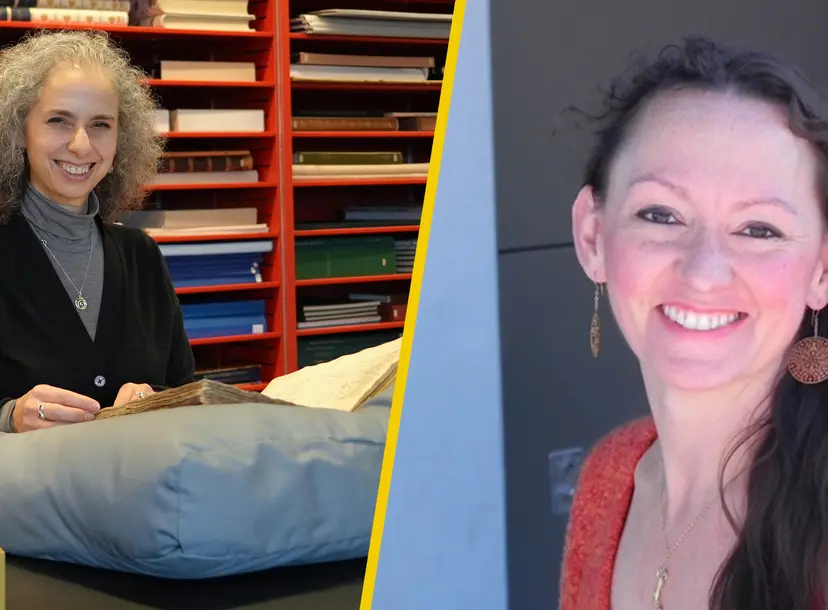
Two history of science researchers will complete the final year of their PhD studies at the Royal Institution (Ri) it was announced today, following the award of a prestigious Phillip Freer Trust Fellowship.
Ellen Hausner from the University of Oxford is examining the development of an extraordinary visual language in alchemy to communicate knowledge and ideas before the development of modern chemical notation; while Monica Strenzel from the University of Leeds is exploring the emergence of wool science and its unexpected, and unintended, consequences for the wool industry in Britain.
Both will now complete the final year of their PhD research at the Royal Institution, with the support of the Ri’s heritage and public engagement teams.
Director of the Royal Institution, Katherine Mathieson, said:
“We’re delighted to be collaborating with our new Freer Fellows whose excellent research projects are showing how scientific discoveries and communication from past centuries have shaped our modern world, and – from natural fibres for more sustainable clothing to the AI revolution – still have the potential to transform our future. I’d like to congratulate Monica and Ellen on winning this prestigious Fellowship and welcome them to the Royal Institution."
Sophie Forgan, Trustee of the Phillip Freer Fellowship Trust, said:
“The Freer Trust was established to support postgraduate students whose work in the history of science could make a difference and engage the public with compelling research. We were delighted with applications from a wide variety of institutions and the judges were impressed by the range, quality and ambition of the research being undertaken. The Trust has appointed two outstanding new Fellows for 2026-27, whose work has the potential to make a significant contribution, through the Ri, to public interest in science and aspects of scientific history. In turn our Fellows benefit from the expertise of the Ri in public engagement with science.”
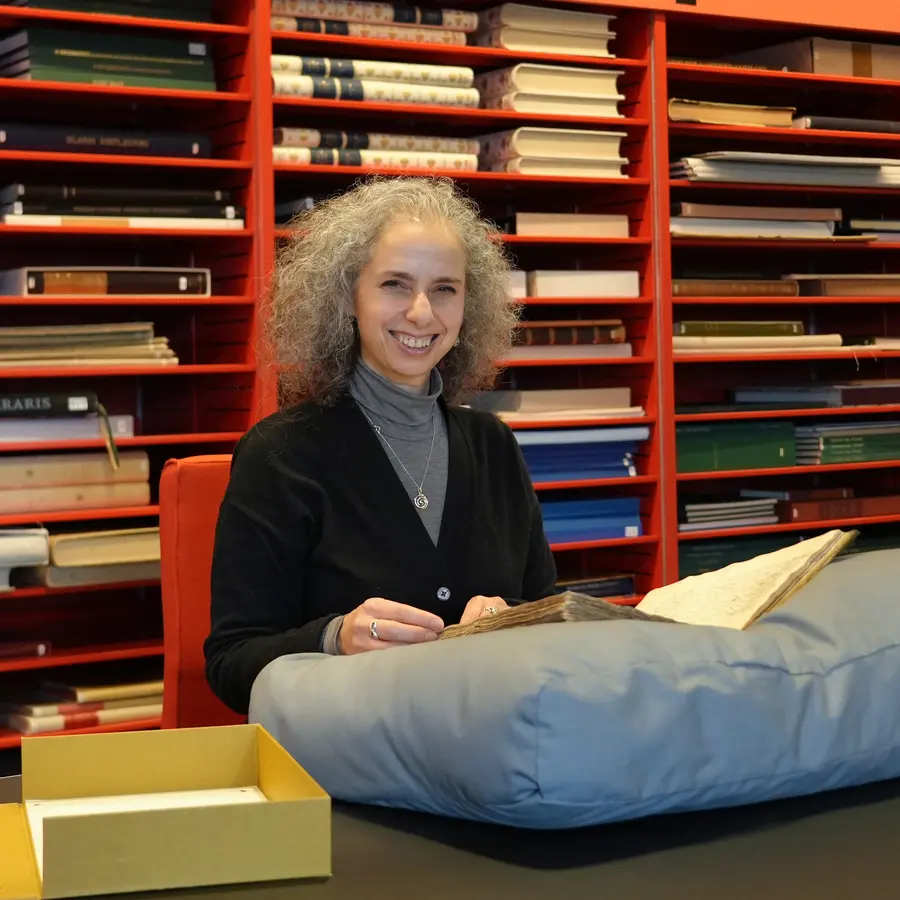
In ‘An alchemical alphabet: Characters and the evolution of a visual language, c. 1350-1700’, Ellen Hausner explores the development of alchemy’s notational system.
Alchemists used abstract symbols, known as ‘characters,’ to represent metals, substances, processes, and ideas. This compact, symbolic language changed over time to capture and transmit evolving knowledge. Ellen’s research shows that systems of scientific knowledge do not appear fully formed, but rather are built gradually, created through discussion and adaptation, responding to experimentation and discovery, and given meaning by the communities that use them.
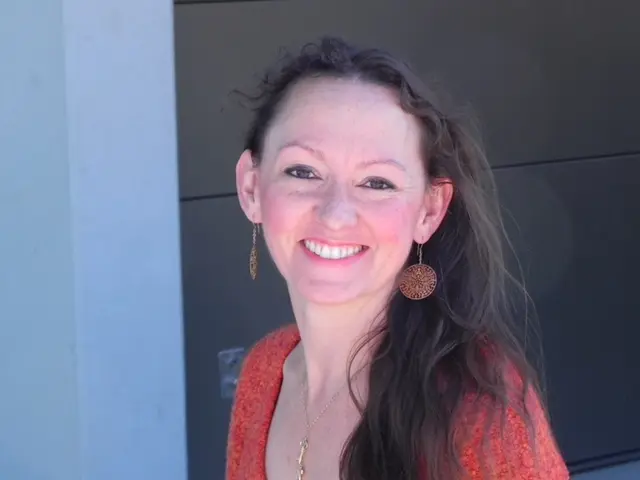
Monica’s research, ‘Productivity, possibility and persuasion: The founding and impact of wool science within Great Britain, 1885 – 1965’ explores how traditional practices, new scientific instruments of analysis, and a dire sheep shortage during World War I prompted a collaboration between scientists, wool growers, and the British Government to create the field of wool science in the early 20th Century.
This newly generated body of knowledge helped to inspire the creation of the field of microbiology, DNA research, and new synthetic fibres which ironically replaced wool and other natural fibres in our wardrobes. And with a drastic consumer switch to fossil fuel synthetics leading to widespread human rights, ecological, and medical disasters the re-application of wool knowledge gained in the mid-20th Century can help tackle ecological failures of today.
Monica and Ellen will take up their Freer Fellowships at the Ri as of 1 October 2026.