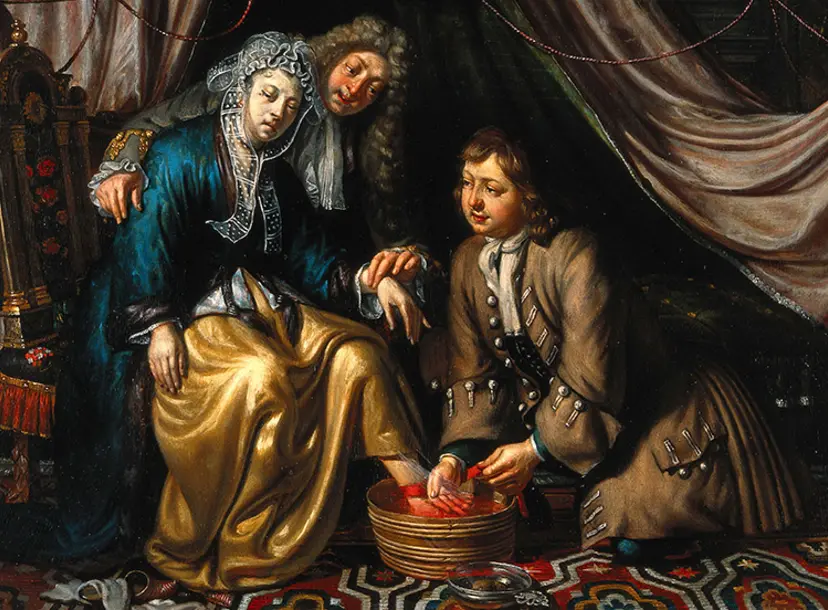
Letters in early modern Europe
Letters criss-crossed early modern Europe carrying news, diplomatic deals, intellectual and scientific debate, and economic intelligence. They followed trade routes over land and sea, and were carried along roads, transported in bundles or by individual messengers. Written according to shared stylistic conventions, letters were deeply implicated in social, political, intellectual, and economic life.
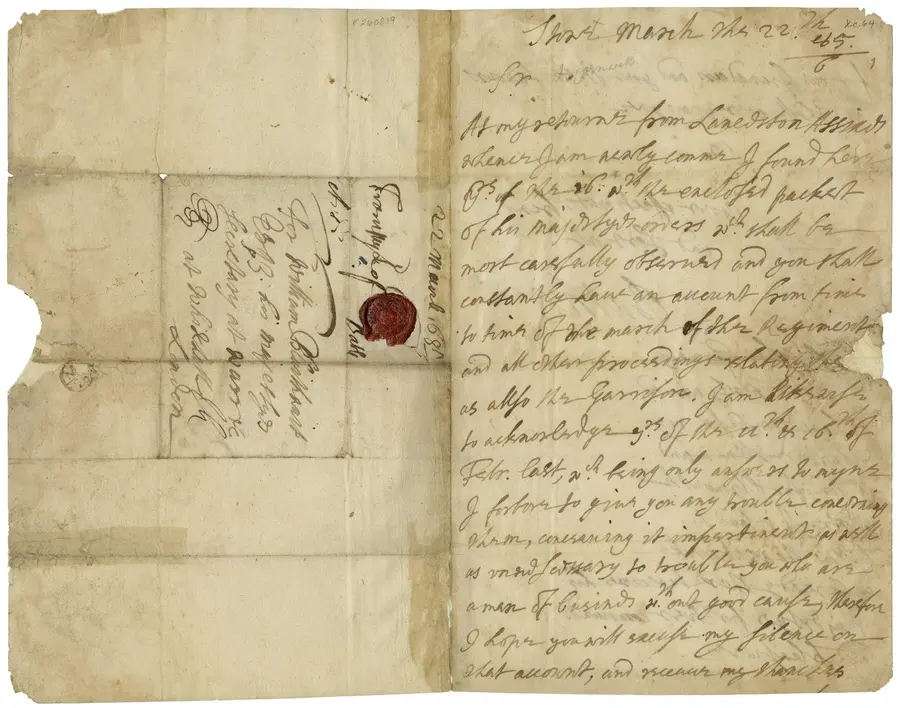
The same was true in the medical sphere; it was common in the seventeenth century to seek health advice by post. Travel was slow and often difficult, and medical expertise was unevenly distributed between urban and rural areas. Having a known and trusted physician nearby and accessible in the case of sickness was far from guaranteed, and it was customary to consult multiple practitioners about a single illness. For these reasons, huge numbers of patients, and their family members and friends, requested and received advice from doctors via letter.
How did medical consultations work by letter?
It might seem strange to us to imagine medicine being practised without seeing, touching, or performing tests on a body or its constituent parts. But in early modern scholarly Hippocratic-Galenic medicine, a description of the patient’s illness was the most important component of a consultation. A face-to-face meeting with a patient or their advocate meant that a doctor was easily able to ask further questions to elicit more information where needed, perhaps supplementing this with pulse-taking or inspecting their urine. In theory, though, the same core information could be conveyed in a letter, particularly if the letter-writer was well-informed about what to include.
Patients described their symptoms and the progression of their condition over the days, weeks, months, and even years of an illness. In response, doctors provided a diagnosis, usually a prognosis, and recommendations for treatments and lifestyle interventions. Sometimes the remedies themselves were sent with the letter. Physicians attempted to project their authority so that patients would trust their judgement and comply with their instructions. Without physical presence, they had to rely on other methods to signify their learning and authority, including language and tone, but also the quality of their paper and the way they laid out their writing on the page. Some letters were written in a formalised style with a standardised order of contents, but others were more informal, resembling sociable letters. Some patients had long-term friendly relationships with their physicians, which were expressed and sustained through these letters.
Who were the patients?
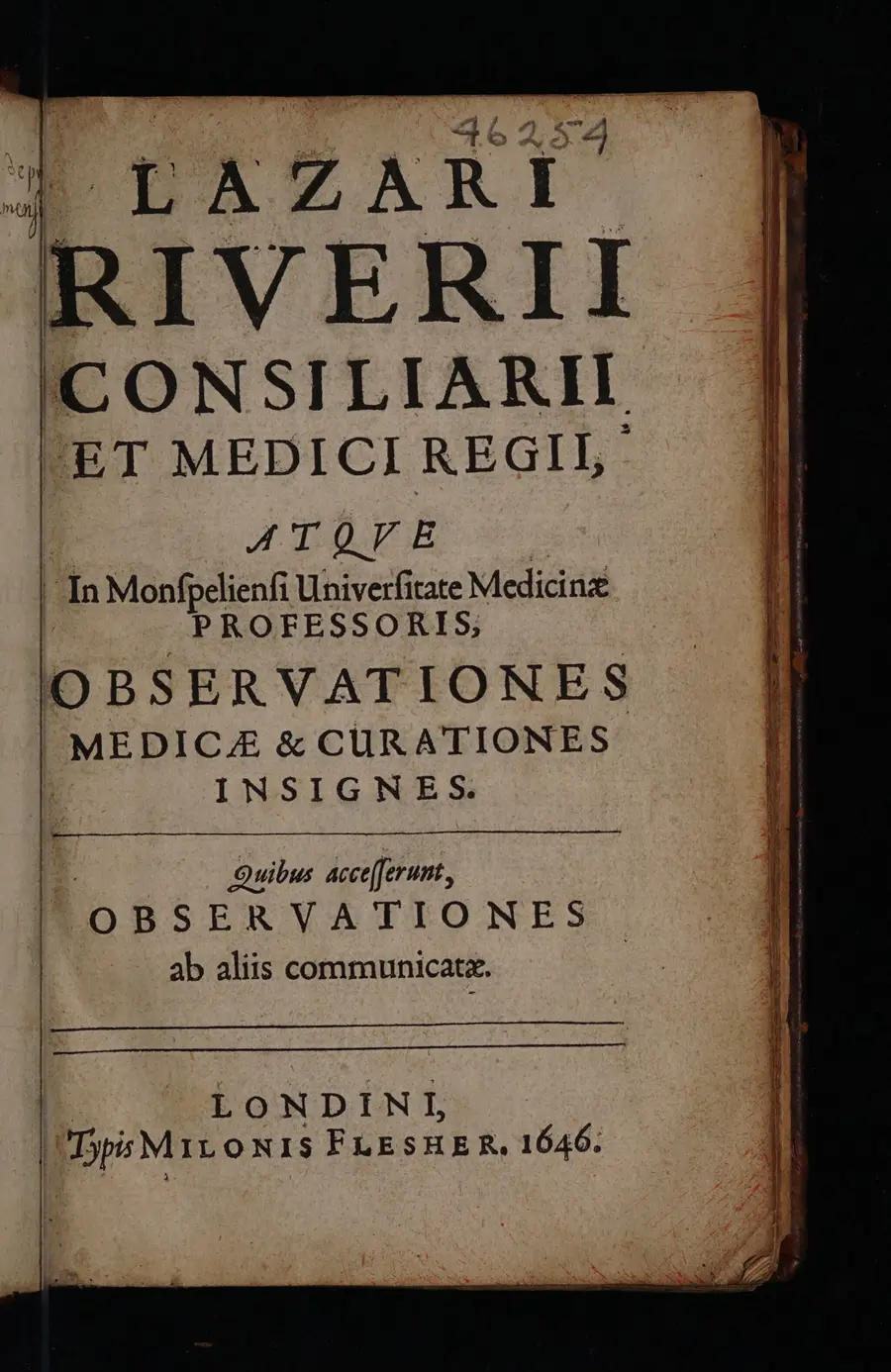
Many of the patients consulting physicians by letter were wealthy, since advice by post often entailed a charge, which could be substantial. Surviving records of this practice can overstate the high status of a physician’s patients, since doctors wanted to emphasise their prominent client base, particularly if their records were circulated or published. There was a flourishing market for printed collections of medical cases, including those carried out by letter. These were ostensibly for medical education, but also enhanced the physician’s professional reputation, and could be lucrative for writers and publishers.
Clientele was also largely limited to the literate, although scribes were often used, and there are some cases where employers in wealthy households consulted on behalf of their servants. It was common for consultations to involve more participants than just one patient in conversation with a single physician, with mediators ranging from scribes, to physicians seeking further professional opinions, to friends or family members writing on behalf of the patient.
What were the problems with consulting by letter?
While diagnosis and prognosis seemed to work via letter in early modern European scholarly medicine, treatment was more difficult. Delivering hands-on treatment was not normally central to the role of a learned physician in the ideal hierarchical division of medical labour, and there was sometimes a stigma attached to physical touch. The physician would normally prescribe ‘regimen’ or lifestyle instructions, but also faster-acting treatments such as purgatives and bloodletting, which were ideally supposed to be prepared and delivered by apothecaries and surgeons. In practice the lines were more blurred, and letters complicated the role of physicians further.
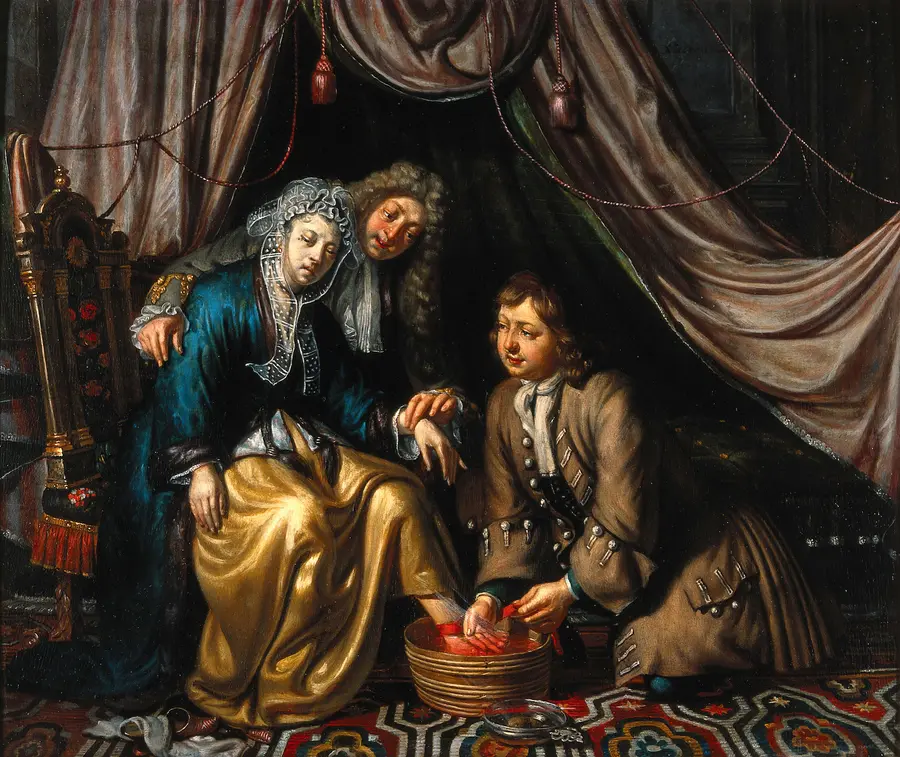
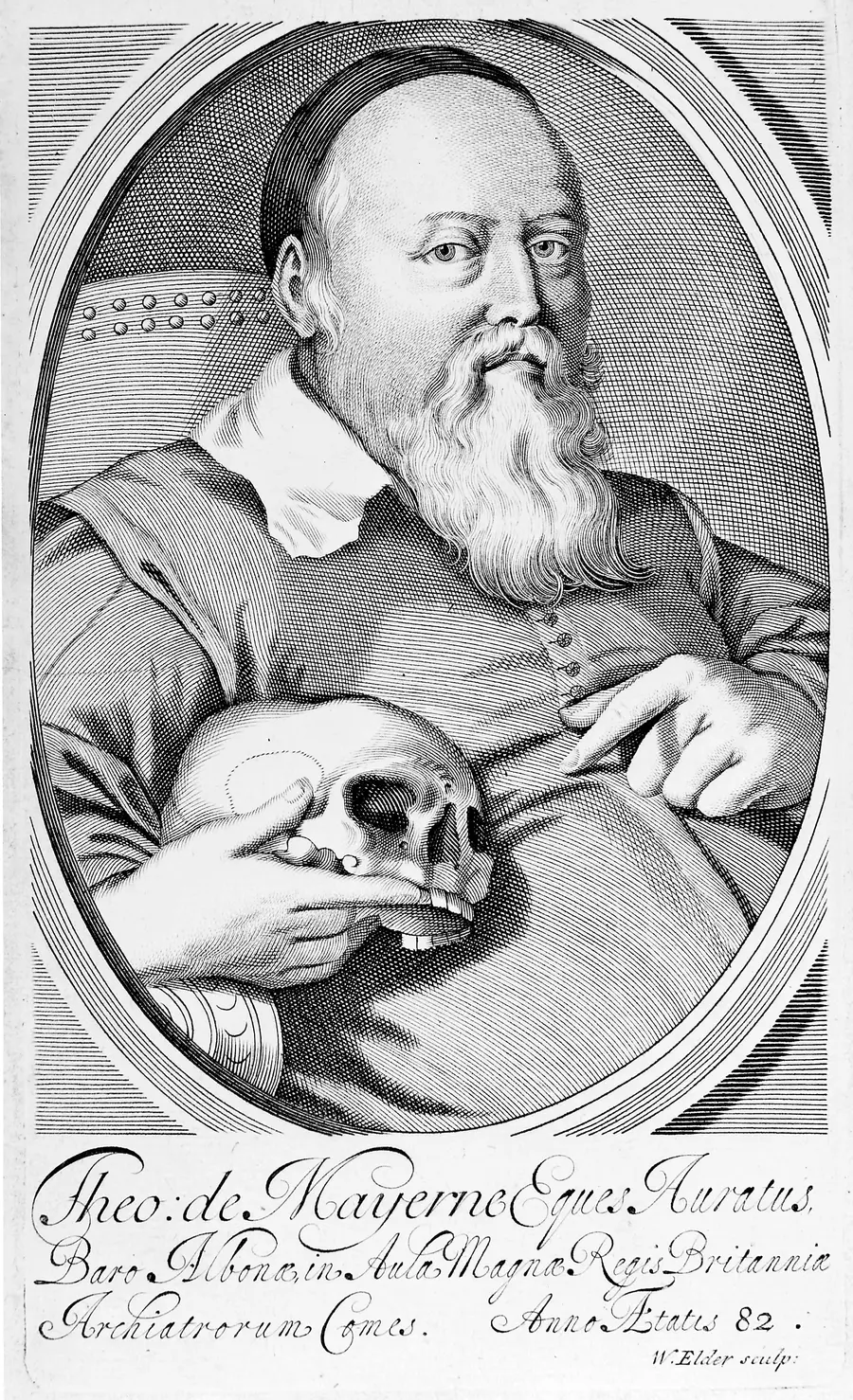
The royal physician Sir Theodore Turquet de Mayerne, who practised in Chelsea, frequently complained that dealing with patients by letter meant he had access to only limited knowledge of the day-to-day fluctuations of health and illness. Because he needed to observe and adjust treatments according to the patient’s progress, he refused to prescribe precise, detailed treatment plans from afar. Instead, he restricted himself to general precepts and deferred many finer decisions about treatment to local medical practitioners whose presence meant they could better respond to changes in the sufferer’s condition.
Remote consultation: an imperfect but continuing practice?
In 2022 the Nuffield Trust published a report outlining the clinical risks introduced by remote consultation, due to the loss of visual clues, physical examination, and ‘door knob’ concerns; the things we only remember to mention as we leave the doctor’s office. In the seventeenth century, learned physicians recognised too that there were differences between the ideal face-to-face consultation and that conducted by letter, and limited the services they offered accordingly. Yet just as telephone appointments have become a feature of our medical culture despite these challenges, due to their positive impacts on efficiency and infection risks, consulting by letter was a commonplace for those patients in seventeenth-century Europe with the money, materials, knowledge, and skills to pursue it.
The Freer Fellowship at the Ri
The Ri Freer Prize Fellowships are writing-up awards for doctoral candidates researching the history of science, history of the Royal Institution, or heritage conservation science. Find out more